

Every family has stories worth preserving. The challenge is that memories often remain scattered across photographs, journals, old documents, social media posts, and conversations. Over time, important stories can become harder to remember and easier to lose.
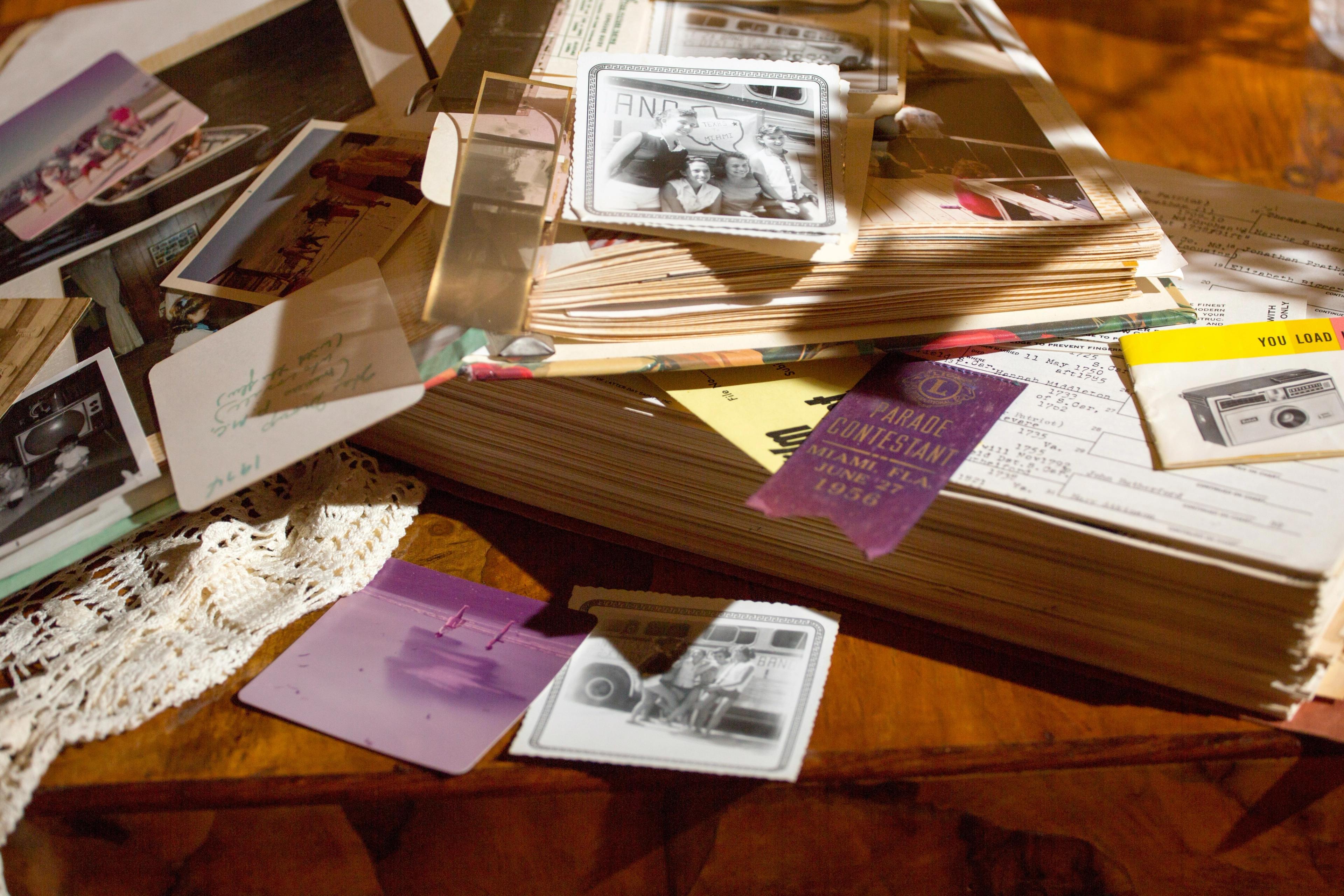
A life story book brings those memories together into one place. It transforms photographs, stories, life lessons, and family history into a lasting keepsake that can be shared with children, grandchildren, and future generations.
Whether you're creating a book for yourself, a parent, or a grandparent, these seven steps will help you create a life story book your family will treasure.
1. Decide who the book is for
Before you begin, think about your audience. Are you creating the book for:
- Your children and grandchildren?
- Extended family members?
- Future generations?
- Friends?
- Yourself?
Knowing who will read the book helps you decide what stories, photographs, and details to include.
For example, future generations may appreciate context about everyday life, family traditions, and historical events that seem ordinary today.
2. Decide what stories to include
A life story book doesn't need to contain every memory you've ever had. Instead, focus on the experiences that best tell your story.
You might include:
- Childhood memories
- Family traditions
- School years
- Career highlights
- Travel experiences
- Relationships
- Life lessons
- Important milestones
- Family history
Think about the stories you most want future generations to know. If you’re unsure which memories matter most, our guide to what to include in a life story book can help you decide what belongs in your book.
3. Gather photographs and family treasures
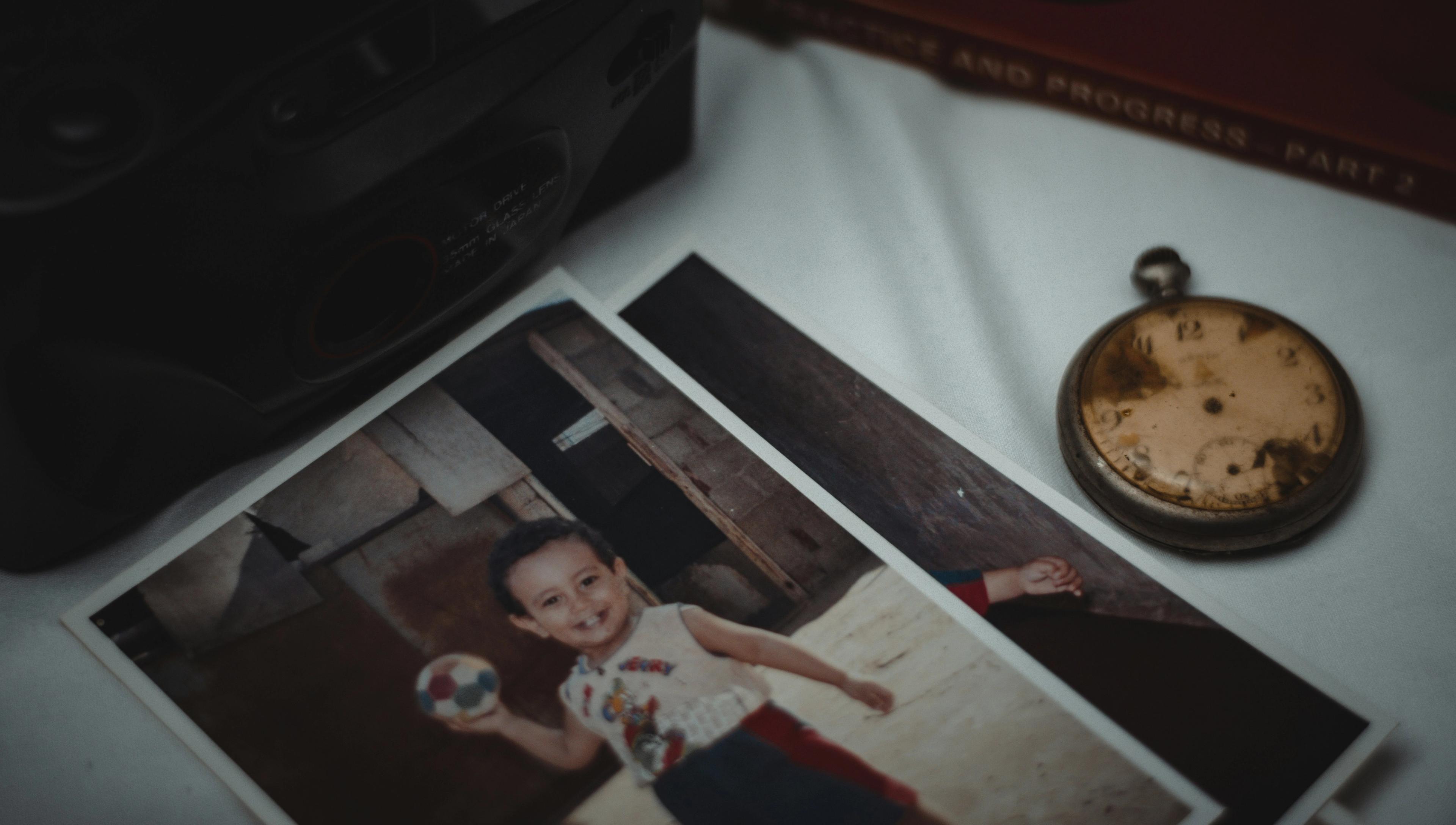
Photographs bring stories to life. Collect:
- Family photographs
- Letters
- Postcards
- Certificates
- Newspaper clippings
- Recipes
- Family documents
- Other meaningful keepsakes
As you review these items, you may discover stories and memories you had forgotten. Often a single photograph can inspire an entire chapter.
4. Organise your content into chapters
Once you've gathered your stories and photographs, organise them into logical sections. You might structure your book:
- Chronologically
- By life stage
- By family branch
- By theme
- By important places
A clear structure makes the book easier to read and helps create a natural flow from one chapter to the next.
If you need help choosing the right structure, our guide on how to structure your memoir explains simple ways to organise your life story.
5. Add context and personal reflections
Future generations won't just be interested in what happened. They'll want to know:
- What life was like
- How you felt
- What challenges you faced
- What you learned
- What mattered most to you
Adding personal reflections turns a collection of photographs and events into a meaningful family story.
These reflections are often the most treasured parts of a Life Story Book.
6. Invite family members to contribute

Family stories are often richer when multiple perspectives are included. Consider asking family members to:
- Share memories
- Contribute photographs
- Add their own stories
- Fill in missing details
- Write short messages or reflections
Collaboration often uncovers stories that might otherwise be forgotten. If you’re not sure what to ask, these questions to ask family members can help uncover stories, details, and memories.
7. Design and publish your book
The final step is transforming your stories into a finished book.
Think about:
- Cover design
- Chapter layout
- Photograph placement
- Captions
- Fonts and styling
A well-designed life story book becomes more than a collection of memories, it becomes a family heirloom that can be revisited for generations.
Why create a life story book?
A life story book preserves more than memories. It captures:
- Family history
- Personal experiences
- Values
- Traditions
- Wisdom
- Lessons learned
Many people discover that creating a life story book strengthens family connections and helps preserve stories that might otherwise be lost.
Most importantly, it ensures that future generations can learn from and connect with the people who came before them.
Create your life story book on My Stories Matter
My Stories Matter makes it easy to record stories, organise memories, upload photographs, and collaborate with family members.
Rather than worrying about formatting and design, you can focus on what matters most: preserving the people, experiences, and moments that shaped your life.
When you're ready, your stories can be transformed into a beautiful life story book that your family will treasure for generations. The hardest part is getting started.
Choose one story, one photograph, or one memory, and begin today.


